The first time we watched WarGames was on a VHS borrowed from a friend, complete with tracking issues and a worn-out tape. This time, we planned to watch it on DVD—except WarGames wasn’t in its case. After searching through case after case, moving aside scratched discs of long-forgotten films, we finally found it hiding inside a box set of something completely unrelated. A fitting start for a film about stumbling into things you weren’t supposed to find.
WarGames follows David Lightman, a teenager who accidentally hacks into a US military supercomputer, mistaking it for a game. This leads to an AI-controlled nuclear standoff, proving that security flaws and over-reliance on technology can have real consequences. The film was ahead of its time, predicting cybersecurity risks that still exist today. It gets hacking surprisingly right for the 80s—war dialling, weak passwords, and remote access—all of which remain concerns in modern cybercrime. The idea of AI making unchecked military decisions is more relevant than ever, as governments debate the role of artificial intelligence in warfare.
Q&A – Cybersecurity in WarGames
How does the film reflect cybersecurity fears, then and now?
In 1983, fears centred on Cold War tensions and automated military systems. Today, the concern is AI-driven cyber threats, state-sponsored hacking, and digital warfare.
Are the hackers in WarGames heroes or villains?
David is curious rather than malicious, but his actions nearly cause disaster. It raises the debate on whether exposing security flaws should be punished or used to improve systems.
How realistic is the hacking?
War dialling, password guessing, and system vulnerabilities are all real techniques, but hacking into a military AI that quickly is pure Hollywood.
What did you think?
Could an AI like WOPR ever make dangerous real-world decisions? Should ethical hackers be rewarded rather than punished? Let us know in the comments. Next time, we’re tackling Hackers (1995)—expect sunglasses indoors and an unhealthy amount of neon.
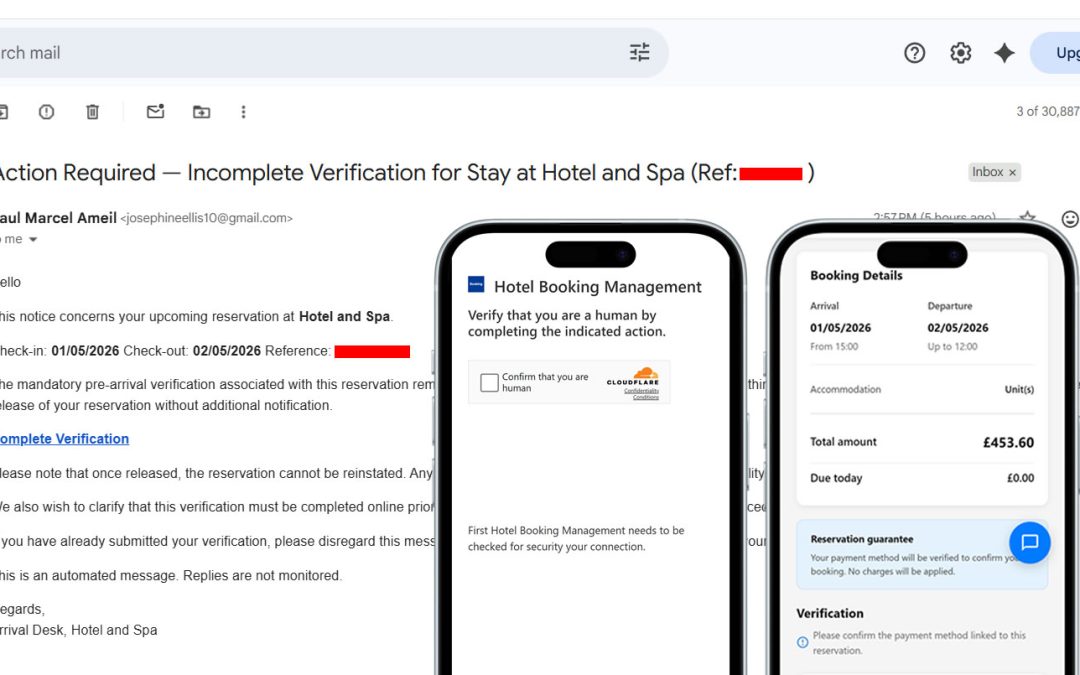
Today’s attackers frequently rely on deception rather than technical exploits. One example is the domain-slamming campaign targeting UK businesses that we’ve recently documented.